
 By
By 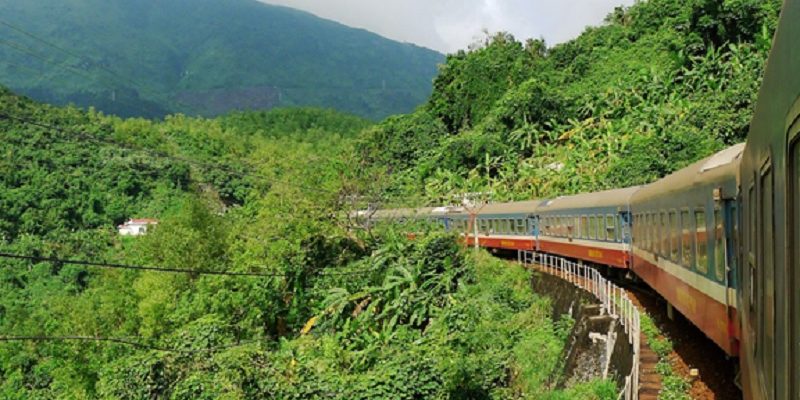
I’ve done Vietnam the fast way and the slow way—sprint weekends in Saigon, work-from-cafés weeks in Hanoi, and the kind of central-coast drift where days are measured by swims and bowls of mì Quảng. If there’s one lesson thirty days keep repeating, it’s this: the trip feels bigger when your first hour in each place is easy. For me that’s meant two things—an eSIM that just works for the whole month and a few thoughtful human touches to land softly.
Hanoi: the month that actually starts on day one
I used to burn my first afternoon hunting counters, figuring out plans, and promising myself I’d top-up “later.” Now I install at home the day before I fly, toggle the line on at the gate, and by the time the luggage carousel is yawning into its second lap I’ve booked a ride and pinned my coffee stop. The surprise isn’t speed; it’s calm. You step into a city already connected to the version of you that knows where she’s going.
A month in Hanoi brings all kinds of moments that want bandwidth but not drama—uploading a shoot from a balcony in Tây Hồ, tethering briefly to send a deck from Tranquil, live messaging with a tailor in the Old Quarter. None of it is glamorous; all of it makes the rest of the day belong to the trip.
Central coast: distance without disconnection
The stretch from Huế to Hội An is my reset button. I keep maps live on the Hải Vân Pass (for the viewpoints I always forget), message a homestay to hold the quiet room, and answer an “are you still coming?” call from a boatman in Hội An as lanterns blink on. Island detours add their own rhythm: in Cù Lao Chàm you learn to love offline maps, but a steady line near the pier still saves a scramble.
A 30-day setup means you don’t play tariff Tetris as you cross provinces. You go long and don’t think about it again.
Saigon: where pins become plans
Ho Chi Minh City is a web of alleys that rewards attention. Signal meant I could follow a pinball route of bột chiên → vintage records → rooftop sunset without the familiar “where did the map go?” spiral. It also let friends find me: a last-minute “we’re nearby” turned into an impromptu night market crawl and the best bowl of bún thịt nướng I’ve had this year.
The five-minute ritual that never fails me
- Install on solid Wi‑Fi the day before (home or hotel).
- After landing, toggle the eSIM line On and set it as Mobile Data.
- Keep Data Roaming on for the eSIM line (many phones expect this for local data).
- If data sulks, restart once—it’s astonishing how often that’s the fix.
- Save key numbers (hotel, driver, tour) so you recognize calls at odd hours.
The people part (and why I keep using it)
Tech clears the runway; people make the landing. On late flights—or when my parents visit—I message a coordinator at Heera Travel to stack the first hour in our favor: name-board pickup with flight tracking, a sane first-night hotel, and two dinner suggestions that never miss. It doesn’t kill spontaneity; it creates room for it. When the basics are kind, the city starts telling you better stories.
What “best” looked like on a 30-day trip
- Consistency over gimmicks. Daily high-speed that covers maps, messages, ride-hailing, light uploads, and the occasional tethered email burst.
- No kiosk choreography. I don’t want my first hour to be a transaction; I want it to be a walk.
- One plan across regions. North → Central → South without watching the calendar or rationing data on a cliff road.
- Reachability when it counts. The driver who calls for the last 50 meters is a fact of life; being contactable saves time you’d rather spend eating.
The link I send when friends ask for a month-long pick
If your itinerary looks like mine—work and wandering over a full month—this is the one I share: best eSIM for Vietnam trip
I set it up before I fly, switch it on after landing, and let the month unfold without another thought about connectivity.
Small moments a steady line protected
- A tailor in Hội An rang at 3 p.m.: jacket ready early, come now if you want sunset photos.
- A storm rolled over Huế; a café changed hours; a quick message kept the meet-up alive.
- The night train south lost Wi‑Fi but not my hotspot; a deadline met itself between stations.
- In Saigon, a vendor called “twenty meters more” and I turned into a street full of light.
None of these stories are about the internet. They’re about the parts of a 30‑day trip you get back when the internet is boring—invisible, dependable, and ready when the city calls first.







Comments