
 By
By 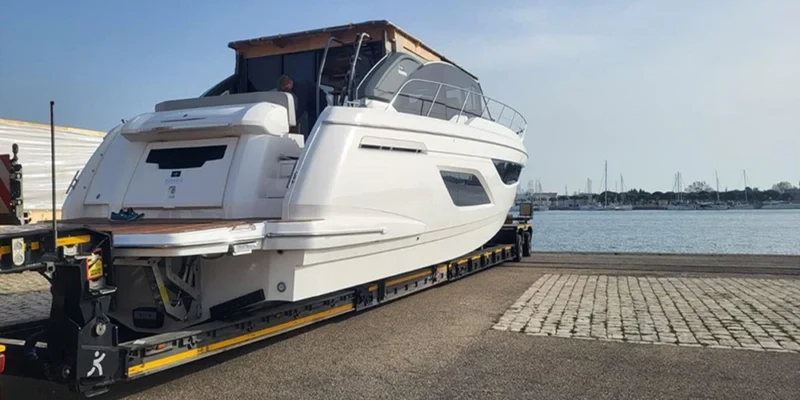
Buying a boat from another state can open the door to more choices, competitive pricing, and vessels that may not be available in your local market. However, finding the right boat is only one part of the purchase. Getting it safely from the seller’s location to your preferred marina or storage facility requires careful planning.
Unlike buying a car, transporting a boat involves considerations such as vessel dimensions, loading equipment, marina access, carrier availability, and potentially oversize-load permits.
Planning transportation before completing the purchase can help avoid unexpected expenses, scheduling conflicts, and unnecessary complications.
Understand the Full Cost of Buying a Boat Out of State
The advertised purchase price rarely represents the total cost of acquiring an out-of-state boat.
Buyers should account for expenses associated with inspections, surveys, transportation, insurance considerations, registration, and any necessary preparations before delivery.
Transportation costs can vary depending on several factors:
- Boat size and weight: Larger or heavier vessels may require specialized equipment.
- Travel distance: Longer routes can affect transportation pricing and scheduling.
- Pickup and delivery access: Limited space or difficult loading conditions may require additional arrangements.
- Permits and escorts: Oversized loads may require authorization or specialized routing.
- Marina services: Crane operations, travel lifts, and loading assistance may involve separate fees.
Before making a final purchasing decision, request a transportation estimate based on accurate vessel information.
This helps establish a more realistic overall budget and reduces the likelihood of unexpected costs after closing.
Plan Transportation Before Finalizing the Purchase
Transportation arrangements should begin while the purchase is still being evaluated rather than after the transaction is complete.
Start by confirming the boat’s overall length, beam, height, weight, and current storage situation. These measurements help determine which transportation equipment may be appropriate and whether additional arrangements are necessary.
It’s also important to establish where the boat will be collected and delivered. A vessel stored at a marina may require lift scheduling, while a boat located at a private property could present different access challenges.
For buyers unfamiliar with long-distance vessel logistics, professional boat transportation services can help coordinate carrier selection, pickup arrangements, scheduling, and communication between the parties involved.
Before confirming any arrangement, clarify who is responsible for preparing the vessel, organizing loading equipment, reviewing insurance documents, and ensuring the destination can receive the boat.
Addressing these responsibilities early can prevent confusion when the scheduled transportation date approaches.
Verify the Boat’s Condition and Transport Readiness
A boat that appears ready for use on the water may still require preparation before traveling by road.
A pre-purchase marine survey can help buyers understand the vessel’s condition, identify potential concerns, and make more informed purchasing decisions.
However, a marine survey should not automatically be treated as confirmation that a boat is prepared for highway transportation.
Before pickup, review items that could move, loosen, or become damaged during transit.
These may include removable electronics, loose equipment, antennas, canvas covers, fishing accessories, and unsecured interior belongings.
Depending on the boat’s configuration and the carrier’s requirements, certain components may need to be lowered, removed, or secured separately.
Buyers should also document the vessel’s condition with dated photographs before transportation begins.
Pictures of the hull, deck, windshield, engines, and visible accessories can provide a useful record if questions arise after delivery.
Any preparation involving structural components, lifting points, or specialized marine equipment should be handled by qualified professionals.
Coordinate Pickup and Delivery With Both Marinas
One frequently overlooked challenge in interstate boat purchases is coordinating the schedules of everyone involved.
The seller, buyer, transportation carrier, marina personnel, and loading-equipment operators may each have different availability.
Even a properly scheduled carrier can encounter difficulties if the pickup marina cannot provide access or the receiving facility is unprepared for arrival.
Before setting a transportation date, confirm several important details with both locations.
At the pickup location:
- Verify the vessel’s exact location and accessibility.
- Confirm whether a travel lift or crane is required.
- Establish available loading dates and operating hours.
- Identify any marina-specific rules for commercial carriers.
At the delivery location:
- Confirm adequate access for the transport vehicle.
- Arrange unloading equipment where necessary.
- Verify available storage or dock space.
- Identify the person authorized to accept delivery.
Clear communication between these parties can make the process more predictable.
It’s also wise to maintain flexibility around delivery dates, particularly when specialized equipment or multiple service providers are involved.
Review Documentation and Insurance Before the Move
Administrative details deserve as much attention as physical transportation arrangements.
Before the boat leaves the seller’s possession, buyers should understand when ownership transfers and which party is responsible for the vessel at each stage.
Purchase agreements should clearly establish the relevant transaction terms, including any arrangements involving transportation or delivery.
Buyers should also review the carrier’s insurance information rather than assuming every type of damage or loss is automatically covered.
Important questions include whether the policy applies to the specific vessel, what coverage limits exist, which exclusions may apply, and how claims are handled.
Keep copies of the purchase agreement, relevant vessel documents, transportation arrangements, and contact information in an accessible location.
Depending on the states involved, buyers may also need to address title transfer, registration, and applicable tax requirements.
Confirming these obligations with the appropriate authorities can help prevent administrative problems after the boat arrives.
Inspect the Boat Carefully Upon Arrival
The transportation process doesn’t end when the delivery vehicle reaches its destination.
Before accepting the vessel without reservation, inspect its accessible exterior surfaces and compare their condition with the photographs taken before pickup.
Pay particular attention to areas that may have been exposed during loading, securing, and unloading.
Check visible fittings, railings, windshields, hull surfaces, and removable accessories.
If something appears damaged or missing, document the issue immediately and follow the carrier’s established reporting procedure.
Once the vessel has been unloaded and properly positioned, additional inspections may be appropriate before launching or operating it.
A careful delivery inspection helps create a clear record of the boat’s condition and provides an opportunity to address concerns promptly.
Conclusion
Buying a boat from another state can be a practical way to find the right vessel, but successful ownership begins well before the first trip on the water.
Understanding total costs, confirming vessel measurements, arranging transportation, coordinating marina access, and reviewing documentation can significantly improve the purchasing experience.
The most effective approach is to treat transportation as an essential part of the buying process rather than an afterthought.
With clear responsibilities and careful preparation, buyers can move from purchase to delivery with fewer avoidable complications and greater confidence.
Comments