
 By
By 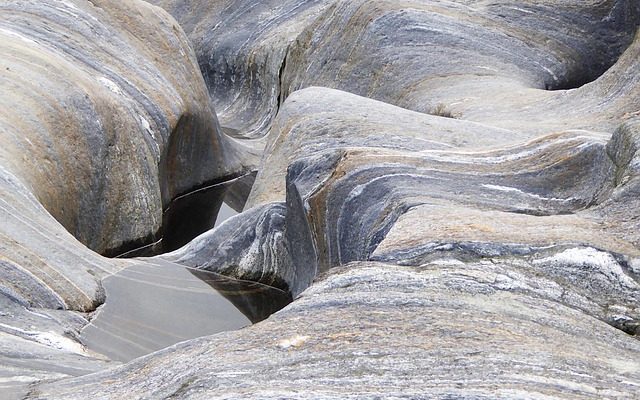
On the northern shores of Lake Maggiore, where palm trees meet snow-capped peaks, two valleys cut deep into the Swiss Alps: the Maggia Valley and the Verzasca Valley.
Both are carved by rivers so clear they look unreal, both hide centuries-old stone villages, and both are easy day-trip destinations from the lakeside towns of Locarno, Ascona, or any camping Lago Maggiore site.
Yet, while they share the same sunshine and the same Ticino charm, the Maggia and Verzasca valleys feel like two very different worlds.
One wild and broad, full of waterfalls and alpine energy; the other narrow and serene, famous for its emerald river and James Bond legend.
This is your complete guide — and comparison — to Ticino’s twin valleys.
The Maggia Valley – Waterfalls, Granite and Open Horizons
A Landscape of Power and Freedom
The Maggia Valley (Valle Maggia in Italian. Maggiatal in German) begins just northwest of Locarno and stretches for more than 50 kilometres into the heart of the Lepontine Alps.
Formed by the Maggia River, it’s a wide, open valley lined with granite cliffs, forests, and vast meadows. Unlike the narrower Verzasca, Maggia feels spacious and wild.
As you drive or cycle up the valley, you’ll pass through a sequence of villages — Avegno, Gordevio, Moghegno, Cevio, Someo, and finally Bignasco — each with its own church tower and sun-bleached stone roofs.
Higher up, the road forks into side valleys like Val Lavizzara and Val Bavona, where the true drama begins.
Waterfalls and Wild Beauty
The Maggia Valley is famous for its waterfalls.
In Foroglio, a spectacular 80-metre cascade plunges over a sheer granite wall, framed by one of the most picturesque hamlets in Switzerland. The air is cool, filled with mist and birdsong.
Farther up, countless smaller falls tumble from glaciers and streams, feeding the river below.
Hikers will find endless trails — from easy riverside walks to demanding alpine climbs. The Sentiero Cristallina, one of Ticino’s classic routes, crosses high passes where ibex graze among granite boulders.
Villages and Local Life
While tourism exists, the Maggia Valley retains an authentic rhythm.
In Cevio, you can visit the Museo di Valmaggia, which tells the story of traditional mountain life.
Local restaurants, called grotto, serve hearty Ticino dishes: polenta with cheese, cured meats, and homemade wine.
Everywhere, stone dominates — walls, roofs, bridges — blending perfectly with the surrounding cliffs. The valley’s architecture feels timeless.
For Swimmers and Sun Seekers
The Maggia River forms countless natural pools with clear turquoise water. In summer, locals and travelers flock to places like Ponte Brolla or Someo for a refreshing swim.
Be careful though — currents can be strong, especially after rain.
If the Verzasca River is elegant and serene, the Maggia is raw and powerful — a river that reminds you of nature’s strength.
The Verzasca Valley – Emerald Water and Silent Stone
An Icon of Ticino
Just east of the Maggia lies the smaller Verzasca Valley (Verzascatal in German).
Beginning near Tenero, it winds about 25 kilometres north to Sonogno, passing through Lavertezzo and Brione Verzasca along the way.
Where Maggia is open and sprawling, Verzasca is narrow and intimate, with steep granite walls and the famous green river at its heart.
The Emerald River
The Verzasca River is so clear that you can see every pebble beneath its surface. Its color shifts from turquoise to deep jade, depending on the light.
The most iconic spot is the Ponte dei Salti in Lavertezzo, a double-arched stone bridge from the 17th century.
Here, swimmers leap from the rocks into crystalline pools while photographers capture reflections that look almost unreal.
Because the riverbed is smooth granite, the light dances in patterns under the water — a natural phenomenon that’s drawn artists and filmmakers for decades.
The James Bond Bungee Jump
At the entrance to the valley stands the Verzasca Dam, a 220-metre concrete wall famous from the opening scene of the 1995 film GoldenEye.
It was here that James Bond — or rather, stuntman Wayne Michaels — performed one of cinema’s most legendary stunts: the James Bond bungee jump.
Today, thrill-seekers can relive that moment by booking the official “007 Jump”, one of the world’s highest commercial bungee jumps.
For everyone else, the viewing platform offers incredible panoramas over the dam and the Lago di Vogorno reservoir behind it.
Stone Villages and Quiet Trails
Beyond the dam, the Verzasca Valley feels worlds away from adrenaline.
Stone villages like Corippo (Switzerland’s smallest municipality, now a heritage hotel) and Sonogno whisper stories of centuries past.
Hiking trails follow the river through chestnut woods, crossing wooden bridges and passing waterfalls that seem to appear out of nowhere.
The atmosphere is peaceful, almost spiritual. You can sit beside the river and hear nothing but the wind and the water.
Maggia vs. Verzasca – A Tale of Two Rivers
| Feature | Maggia Valley | Verzasca Valley |
|---|---|---|
| Length | ~50 km | ~25 km |
| Character | Wide, open, powerful | Narrow, calm, intimate |
| Highlights | Foroglio Waterfall, Val Bavona, alpine hiking | Ponte dei Salti, Verzasca Dam, bungee jump |
| River color | Turquoise-blue and silver-grey | Deep emerald-green |
| Best for | Adventure, waterfalls, long hikes | Photography, swimming, peaceful walks |
| Villages | Cevio, Bignasco, Foroglio | Lavertezzo, Brione, Sonogno |
| Energy | Untamed, rugged, wild | Tranquil, cinematic, timeless |
Both valleys show different sides of Ticino.
The Maggia feels more Alpine — grand, spacious, and raw.
The Verzasca feels more Mediterranean — soft, sculpted, and serene.
For Hikers and Nature Lovers
- In the Maggia Valley: try the Waterfall Trail of Val Bavona or hike from Bignasco to Foroglio. The granite peaks and hanging glaciers create an awe-inspiring backdrop.
- In the Verzasca Valley: follow the Sentierone Verzasca, a 25-kilometre riverside trail connecting Tenero to Sonogno. The route passes through bridges, forests and every shade of green imaginable.
Whichever you choose, hiking here feels like walking through a natural sculpture carved by water and time.
For Swimmers and Summer Visitors
- Maggia pools: Wide, deep, and sun-drenched — ideal for families and confident swimmers.
- Verzasca pools: Smaller, crystal-clear, perfect for photos and short dips.
Both rivers stay cool even in July, offering relief after hot days by the lake.
Always check the flow before entering — rainfall upstream can change water levels quickly.
Culture, Cuisine and Local Charm
In both valleys, you’ll find authentic Ticino hospitality.
Rustic grotto restaurants serve local wines, risotto, cheese and chestnut desserts.
Small churches hide frescoes dating back to the 15th century, and festivals celebrate mountain traditions through music and food.
Because the Maggia Valley is larger and more inhabited, it offers more restaurants and accommodation; the Verzasca Valley remains quieter and more romantic — ideal for couples or photographers seeking solitude.
Camping Lago Maggiore – The Perfect Base Between Two Worlds
For travelers, the best way to explore both valleys is to stay near the northern shore of Camping Lago Maggiore.
From a camping Lago Maggiore site in Tenero, Locarno, or Cannobio, you can reach either valley within 30–40 minutes.
Imagine waking to the gentle sound of waves, having breakfast under palm trees, and then choosing your adventure:
northwest into the wild Maggia, or northeast into the tranquil Verzasca.
After a day of hiking or swimming, return to your campsite, grill local cheese and vegetables from the Cannobio Sunday market, and watch the sunset over the lake.
Why Campers Love This Region
- Central access to both valleys
- Modern facilities, beaches, and restaurants
- EV charging points and bike rentals
- Family-friendly and eco-conscious atmosphere
Campsites like Lakeview Cannobio Camping & Resort make it easy to enjoy both alpine adventure and lakeside relaxation in one trip.
Practical Travel Tips
- Best season: May – October, when waterfalls flow and trails are open.
- Getting around: A car or e-bike gives the most freedom, but PostBus lines connect Locarno with both valleys.
- Weather: Expect cooler temperatures in the upper valleys; pack layers.
- Safety: Rivers can be dangerous after rain — always check warnings.
- Combine with Lake Maggiore attractions: Boat trips to the Brissago Islands or shopping in Ascona pair perfectly with a mountain day.
Two Valleys, One Heart
The Maggia and Verzasca valleys are like siblings — born from the same mountain heart, shaped by water, yet with completely different personalities.
The Maggia roars; the Verzasca whispers.
One invites exploration and movement; the other invites reflection and stillness.
For travelers staying at camping Lago Maggiore, visiting both is a must. In a single day, you can feel the full spectrum of Ticino — the power of waterfalls, the calm of emerald rivers, the warmth of Italian culture and the precision of Swiss nature.
Whichever valley you choose first, you’ll soon realize the truth: you don’t have to decide between them.
Together, the Maggia Valley and the Verzasca Valley form the twin soul of southern Switzerland — wild and serene, daring and peaceful, unforgettable in every way.



Comments